-
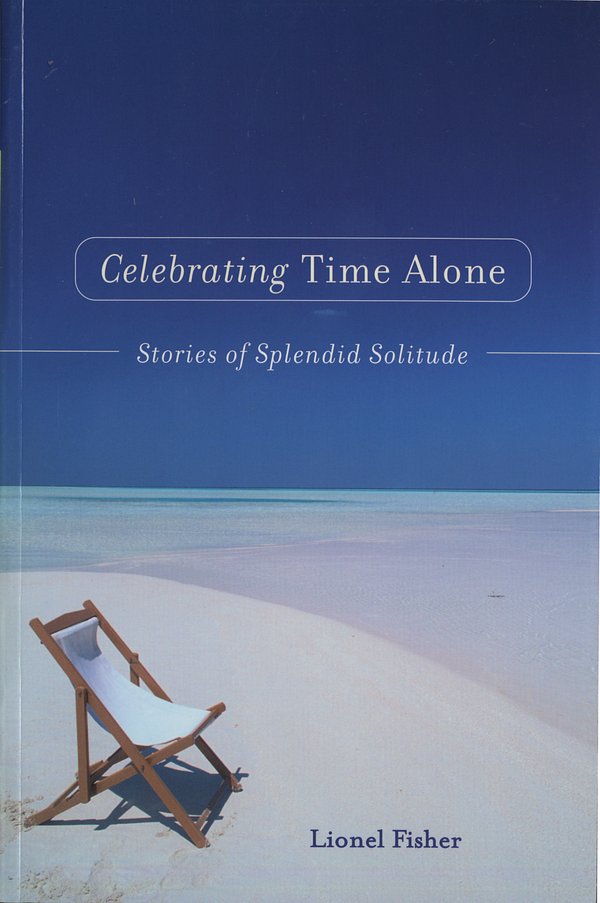 For six years, Lionel Fisher lived by himself on a remote Pacific Northwest beach, where he had ample time to reflect on how to use solitude to become a happier, more fulfilled person. In a writing style at once eloquent and down to earth, Fisher interweaves other real-life stories with his own experiences to offer counsel, insights, and encouragement on living well alone.
 -
 The Buddha. Rene Descartes. Emily Dickinson. Greta Garbo. Bobby Fischer. J. D. Salinger: Loners, allalong with as many as 25 percent of the worlds population. Loners keep to themselves, and like it that way. Yet in the press, in films, in folklore, and nearly everywhere one looks, loners are tagged as losers and psychopaths, perverts and pity cases, ogres and mad bombers, elitists and wicked witches. Too often, loners buy into those messages and strive to change, making themselves miserable in the process by hiding their true natureand hiding from it. Loners as a group deserve to be reassessedto claim their rightful place, rather than be perceived as damaged goods that need to be fixed. In Party of One Anneli Rufus -- a prize-winning, critically acclaimed writer with talent to burn -- has crafted a morally urgent, historically compelling tour de forcea long-overdue argument in defense of the loner, then and now. Marshalling a polymaths easy erudition to make her case, assembling evidence from every conceivable arena of culture as well as interviews with experts and loners worldwide and her own acutely calibrated analysis, Rufus rebuts the prevailing notion that aloneness is indistinguishable from loneliness, the fallacy that all of those who are alone dont want to be, and wouldnt be, if only they knew how.
 -
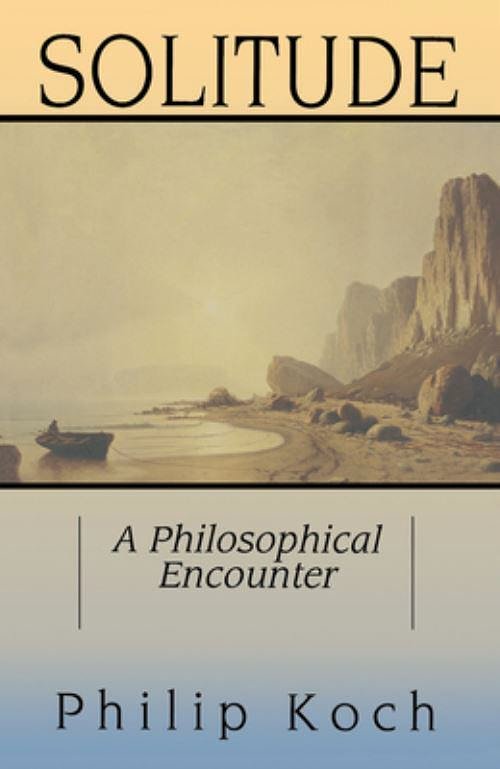 What is the proper place of solitude in human existence? Some philosophers have claimed that solitude is our truest, most ultimate metaphysically deepest state of being. Others have maintained the contrary view, that it is in encounter that we most truly find ourselves. In Koch's Solitude, both solitude and encounter emerge as primary modes of human experience, equally essential for human completion.
 -
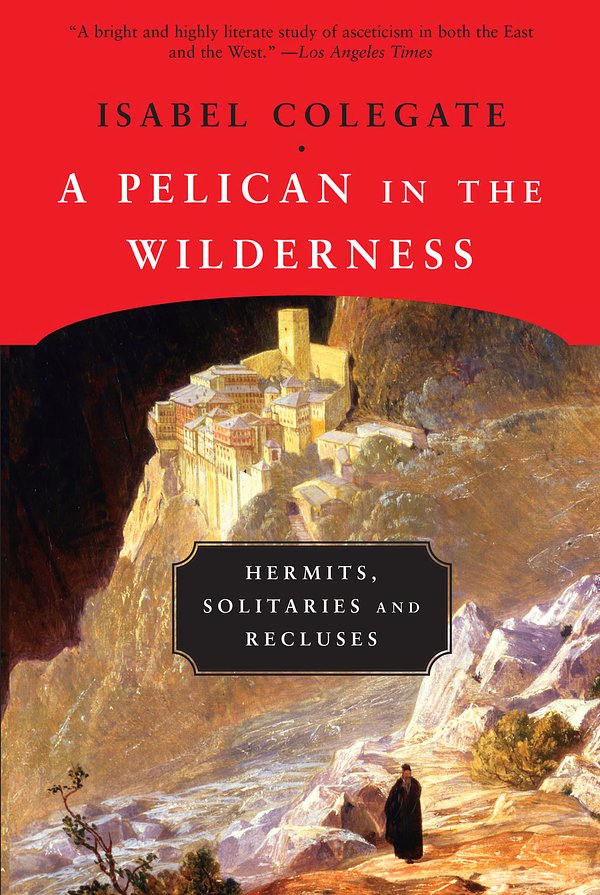 From Lao–tse and the Buddha, St. Anthony and the early Celtic hermits, through Rousseau, Thoreau, Ruskin, and up to the present day, certain gifted persons have shown a vocation for living alone and apart, finding in simplicity and attention to nature a spiritual space to be explored and rejoiced in. Others, retreating from the world in scorn or cut off from it by scandal, have found that solitude is Hell, a pit of melancholy and morbid fancy. In this, her first work of nonfiction, novelist Isabel Colegate gives us the lives of the solitaries — male and female, medieval and modern, divinely inspired and patently fraudulent. But this is no mere gallery of saints and sinners, poets and misanthropes. It is also a reevaluation of solitude for our times, and a reminder that it is in solitude that the soul meets itself, refreshes itself, and from there goes out to join the communal dance.
 -
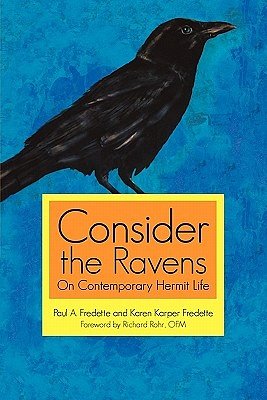 <p>If you have ever wondered about how hermits live, or if you are an active participant in the eremitical life, then it's time to make this ultimate resource guide part of your book collection. </p><p>Written by the editors of Raven's Bread, an international quarterly newsletter that provides guidance on hermit life, "Consider the Ravens" is a seminal study on eremitism as it has developed since the 1950s. </p><p>Learn about All aspects of the vocation, including spiritual, practical, and juridical<br> Hazards of the hidden life<br> Practical recommendations for beginners in eremitical life<br> Extensive citations from desert fathers and mothers<br> Exploration of eremitical spirituality. </p><p>Essentially, you'll learn about the eremitic life straight from the hermits themselves, and it's never an easy task to get their opinions and advice The voices of many of today's hermits can now be heard loud and clear for the first time. </p><p>Find the answers to your questions about a vocation as old as spirituality itself and discover why eremitism is becoming more popular than ever in "Consider the Ravens."</p>
 -
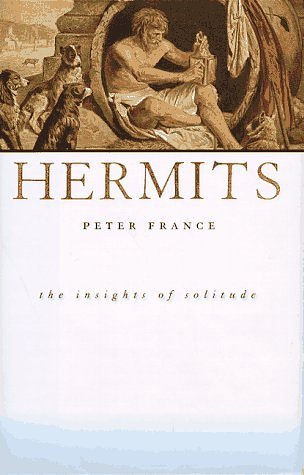 In the tradition of Karen Armstrong's A History of God and Kathleen Norris' Cloistered Walk comes a magisterial history of hermits--from the Greek cynics to the Desert Fathers to more modern seekers such as Henry David Thoreau, Thomas Merton, and the American poet Robert Lax.
 -
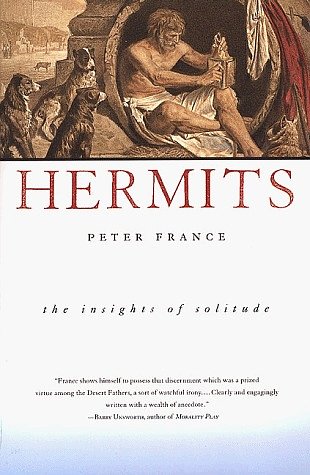 Traces the history of hermits, from the Greek Cynics, to the Desert Fathers, to more modern seekers of solitude, including Thoreau, Thomas Merton, and American poet Robert Lax.
 -
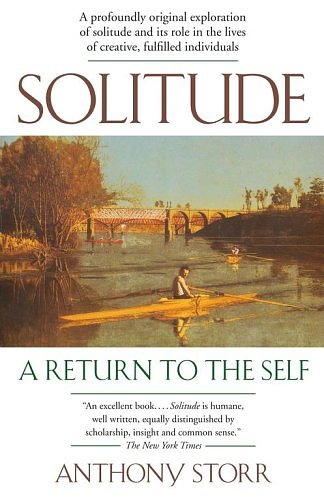 Originally published in 1988, Anthony Storr's enlightening meditation on the creative individual's need for solitude has become a classic. "Solitude" was seminal in challenging the established belief that "interpersonal relationships of an intimate kind are the chief, if not the only, source of human happiness." Indeed, most self-help literature still places relationships at the center of human existence. Lucid and lyrical, Storr's book cites numerous examples of brilliant scholars and artists -- from Beethoven and Kant to Anne Sexton and Beatrix Potter -- to demonstrate that solitude ranks alongside relationships in its impact on an individual's well-being and productivity, as well as on society's progress and health. But solitary activity is essential not only for geniuses, says Storr; the average person, too, is enriched by spending time alone. For fifteen years, readers have found inspiration and renewal in Storr's erudite, compassionate vision of human experience.
 -
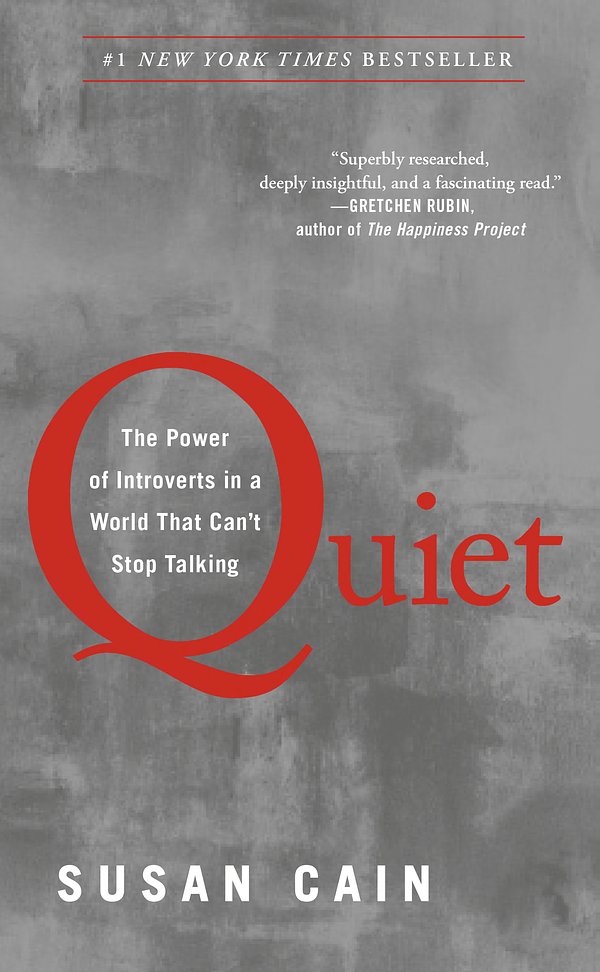
Quiet: The Power of Introverts in a World That Can’t Stop Talking
The Power of Introverts in a World That Can't Stop Talking
Susan Cain
<p>At least one-third of the people we know are introverts. They are the ones who prefer listening to speaking, reading to partying; who innovate and create but dislike self-promotion; who favor working on their own over brainstorming in teams. Although they are often labeled "quiet," it is to introverts that we owe many of the great contributions to society--from van Gogh's sunflowers to the invention of the personal computer. <br>Passionately argued, impressively researched, and filled with indelible stories of real people, "Quiet "shows how dramatically we undervalue introverts, and how much we lose in doing so. Taking the reader on a journey from Dale Carnegie's birthplace to Harvard Business School, from a Tony Robbins seminar to an evangelical megachurch, Susan Cain charts the rise of the Extrovert Ideal in the twentieth century and explores its far-reaching effects. She talks to Asian-American students who feel alienated from the brash, backslapping atmosphere of American schools. She questions the dominant values of American business culture, where forced collaboration can stand in the way of innovation, and where the leadership potential of introverts is often overlooked. And she draws on cutting-edge research in psychology and neuroscience to reveal the surprising differences between extroverts and introverts. <br>Perhaps most inspiring, she introduces us to successful introverts--from a witty, high-octane public speaker who recharges in solitude after his talks, to a record-breaking salesman who quietly taps into the power of questions. Finally, she offers invaluable advice on everything from how to better negotiate differences in introvert-extrovert relationships to how to empower an introverted child to when it makes sense to be a "pretend extrovert." <br>This extraordinary book has the power to permanently change how we see introverts and, equally important, how introverts see themselves. </p><p>"From the Hardcover edition."</p>
Prices for this list of products
| Store | Price + Shipping | Total (JPY) |
|---|---|---|
|
Prices are being refreshed for this list....

Completed 0 of 9 Products
|
||
ISBNs in this list
9781582700496, 9781569245132, 9780812692433, 9781582435916, 9781936236633, 9780312155469, 9780312194635, 9780029316207, 9780307352156