-
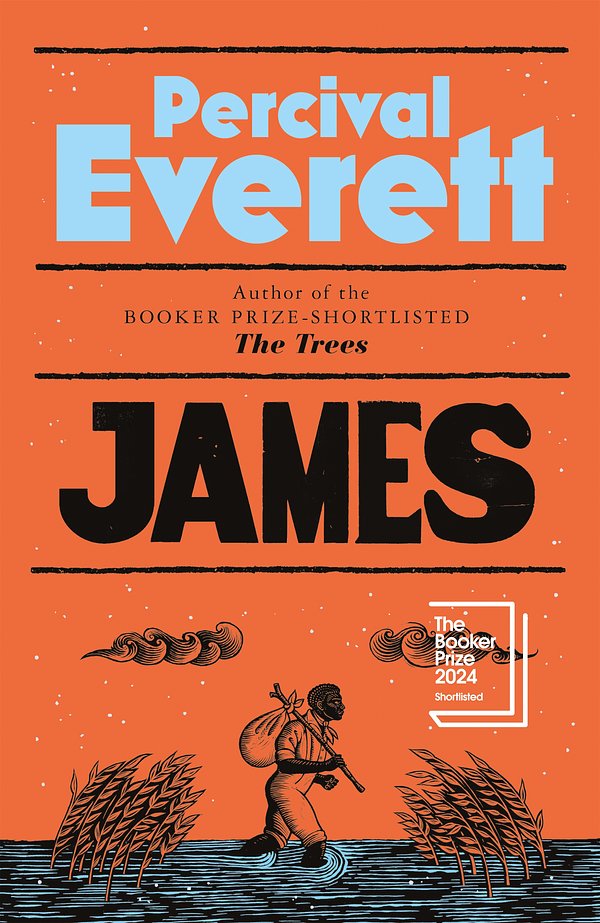 PULITZER PRIZE WINNER • #1 NEW YORK TIMES BESTSELLER • NATIONAL BOOK AWARD WINNER • A brilliant, action-packed reimagining of Adventures of Huckleberry Finn, both harrowing and darkly humorous, told from the enslaved Jim's point of view • In development as a feature film to be produced by Steven Spielberg KIRKUS PRIZE WINNER • NATIONAL BOOK CRITICS CIRCLE AWARD FINALIST • SHORTLISTED FOR THE BOOKER PRIZE • A Best Book of the Year: The New York Times Book Review, LA Times, The New Yorker, The Atlantic, The Economist, TIME, and more. "Genius"—The Atlantic • "A masterpiece that will help redefine one of the classics of American literature, while also being a major achievement on its own."—Chicago Tribune • "A provocative, enlightening literary work of art."—The Boston Globe • "Everett’s most thrilling novel, but also his most soulful."—The New York Times When Jim overhears that he is about to be sold to a man in New Orleans, separated from his wife and daughter forever, he runs away until he can formulate a plan. Meanwhile, Huck has faked his own death to escape his violent father. As all readers of American literature know, thus begins the dangerous and transcendent journey by raft down the Mississippi River toward the elusive and unreliable promise of the Free States and beyond. Brimming with the electrifying humor and lacerating observations that have made Everett a literary icon, this brilliant and tender novel radically illuminates Jim’s agency, intelligence, and compassion as never before. James is destined to be a major publishing event and a cornerstone of twenty-first century American literature.
 -
 Headshot is the story of the eight best teenage girl boxers in the United States, told over the two days of a championship tournament and structured as a series of face-offs. As the girls’ pasts and futures collide, the specific joy and violence of the sport comes to life with electric energy, and a portrait emerges of the desire, envy, perfectionism, madness and sheer physical pleasure that motivates each of these young women to fight. This is a novel about the radicalness and strangeness of being physically intimate with another human when you are measuring your own body, through competition, against theirs. What does the intimacy of a physical competition feel like? What does it mean to walk through life in the bodies we’ve been given, and what does it mean to use those bodies with abandon? Funny, propulsive, obsessive and ecstatic, Headshot is equal parts subtle and intense, as it brings us to the sidelines of the ring and above and beyond it, examining closely the eight girls’ lives, which intersect for a moment – a universe that shimmers and resonates.
 -
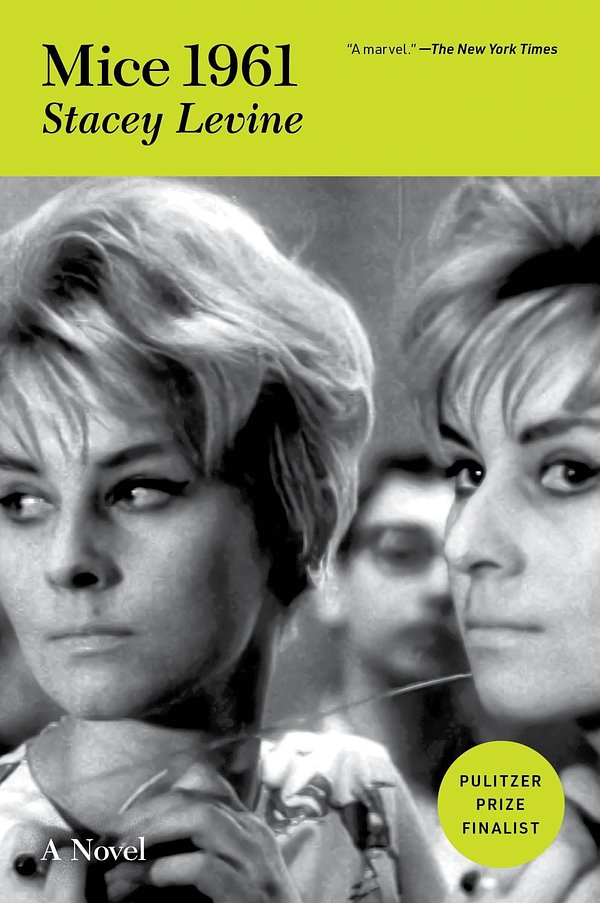 FINALIST, 2025 PULITZER PRIZE IN FICTION NAMED IN WASHINGTON POST'S "50 NOTABLE WORKS OF FICTION" IN 2024 “Stacey Levine’s fiction is unlike anything else. Peculiar, vivid, preternaturally alert to the strangeness of the human condition, Mice 1961 is terrific.”—Kelly Link, author of The Book of Love A novel set in the Cold War era about two orphaned half-sisters, a boarder, and the neighbors who surround them, a stylized and startling depiction of lives lived at a high pitch of emotion in the shadow of global catastrophe (from the Pulitzer Prize jury's citation).Stacey Levine's Mice 1961 recounts a pivotal day in the fraught relationship of two orphaned sisters through the eyes of their obsessively observant housekeeper, Girtle. Will Jody be able to cope if her younger sibling Mice, subject to constant harassment in their community for her unusual appearance and habits, leaves home? How will their all-watching companion convey her fierce attachment to them both? As a Greek chorus of local characters cavort and joke their way through a neighborhood party, the sisters and their ardent admirer cross paths with an unsettling stranger, leading to momentous changes for all. Set in southern Florida at the height of cold-war hysteria, Mice 1961 is a powerful meditation on belonging, conformity and otherness.
 -
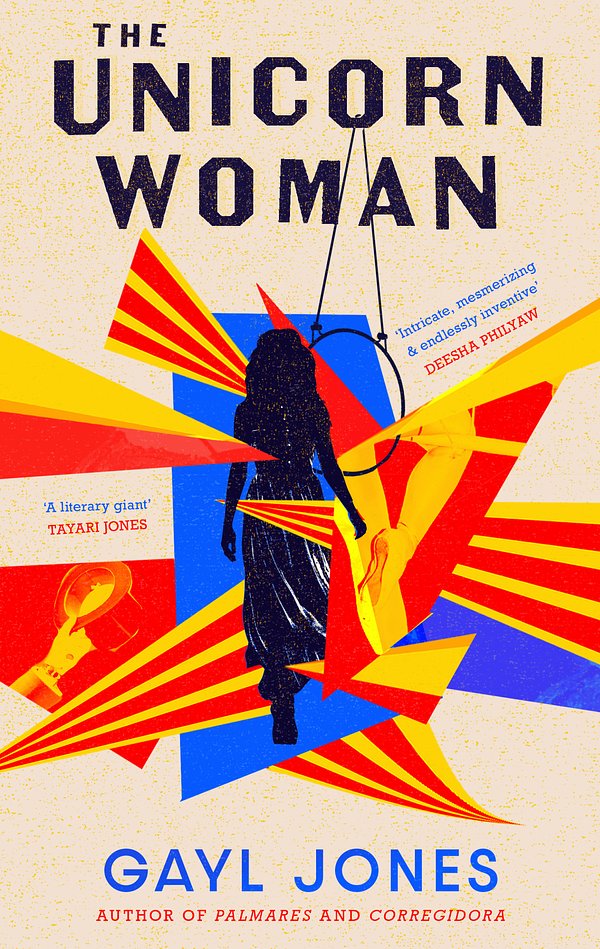 FINALIST FOR THE 2025 PULITZER PRIZE IN FICTION "One of our greatest living authors."—Lauren LeBlanc, The Boston Globe Marking a dramatic new direction for Jones, a riveting tale set in the Post WWII South, narrated by a Black soldier who returns to Jim Crow and searches for a mythical ideal Set in the early 1950s, this latest novel from Pulitzer Prize and National Book Award finalist Gayl Jones follows the witty but perplexing army veteran Buddy Ray Guy as he embodies the fate of Black soldiers who return, not in glory, but into their Jim Crow communities. A cook and tractor repairman, Buddy was known as Budweiser to his army pals because he’s a wise guy. But underneath that surface, he is a true self-educated intellectual and a classic seeker: looking for religion, looking for meaning, looking for love. As he moves around the south, from his hometown of Lexington, Kentucky, primarily, to his second home of Memphis, Tennessee, he recalls his love affairs in post-war France and encounters with a variety of colorful characters and mythical prototypes: circus barkers, topiary trimmers, landladies who provide shelter and plenty of advice for their all-Black clientele, proto feminists, and bigots. The lead among these characters is, of course, The Unicorn Woman, who exists, but mostly lives in Bud’s private mythology. Jones offers a rich, intriguing exploration of Black (and Indigenous) people in a time and place of frustration, disappointment, and spiritual hope.
 -
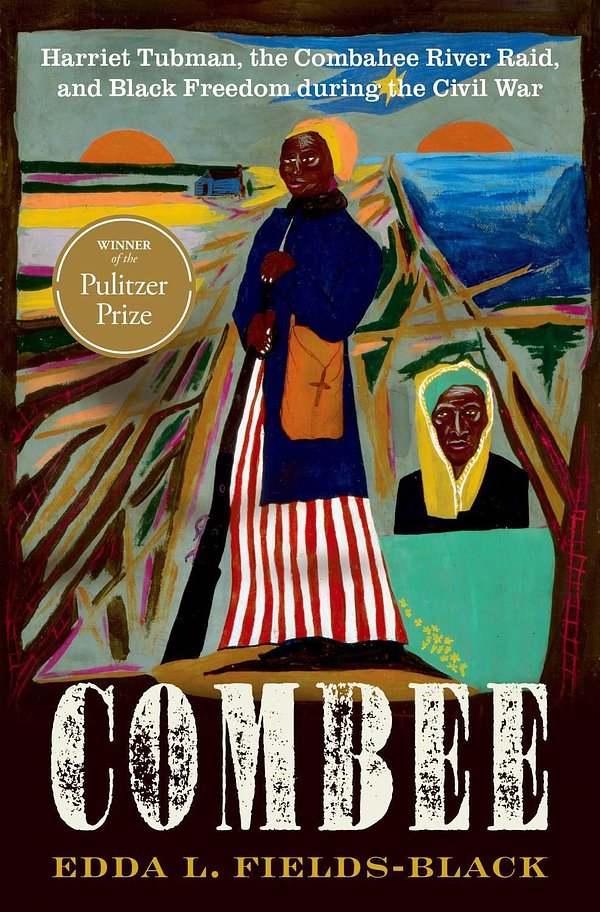
Combee
Harriet Tubman, the Combahee River Raid, and Black Freedom During the Civil War
Edda L. Fields-Black
-
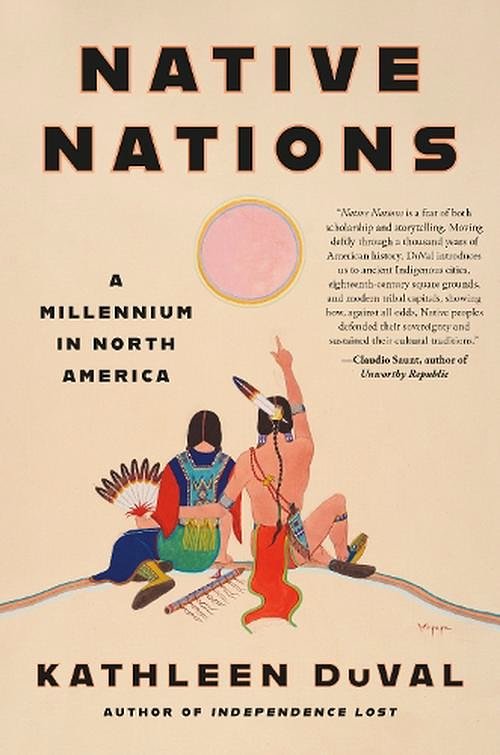 A magisterial history of Indigenous North America that places the power of Native nations at its center, telling their story from the rise of ancient cities more than a thousand years ago to fights for sovereignty that continue today “A feat of both scholarship and storytelling.”—Claudio Saunt, author of Unworthy Republic Long before the colonization of North America, Indigenous Americans built diverse civilizations and adapted to a changing world in ways that reverberated globally. And, as award-winning historian Kathleen DuVal vividly recounts, when Europeans did arrive, no civilization came to a halt because of a few wandering explorers, even when the strangers came well armed. A millennium ago, North American cities rivaled urban centers around the world in size. Then, following a period of climate change and instability, numerous smaller nations emerged, moving away from rather than toward urbanization. From this urban past, egalitarian government structures, diplomacy, and complex economies spread across North America. So, when Europeans showed up in the sixteenth century, they encountered societies they did not understand—those having developed differently from their own—and whose power they often underestimated. For centuries afterward, Indigenous people maintained an upper hand and used Europeans in pursuit of their own interests. In Native Nations, we see how Mohawks closely controlled trade with the Dutch—and influenced global markets—and how Quapaws manipulated French colonists. Power dynamics shifted after the American Revolution, but Indigenous people continued to command much of the continent’s land and resources. Shawnee brothers Tecumseh and Tenskwatawa forged new alliances and encouraged a controversial new definition of Native identity to attempt to wall off U.S. ambitions. The Cherokees created institutions to assert their sovereignty on the global stage, and the Kiowas used their power in the west to regulate the passage of white settlers across their territory. In this important addition to the growing tradition of North American history centered on Indigenous nations, Kathleen DuVal shows how the definitions of power and means of exerting it shifted over time, but the sovereignty and influence of Native peoples remained a constant—and will continue far into the future. *This audiobook includes a downloadable PDF that contains select photographs, illustrations, and maps from the book.
 -
 An eye-opening rethinking of nineteenth-century American history that reveals the interdependence of the Northern industrial economy and Southern slave labor. The industrializing North and the agricultural South-that's how we have been taught to think about the United States in the early nineteenth century. But in doing so, we overlook the economic ties that held the nation together before the Civil War. We miss slavery's long reach into small New England communities, just as we fail to see the role of Northern manufacturing in shaping the terrain of human bondage in the South. Using plantation goods-the shirts, hats, hoes, shovels, shoes, axes, and whips made in the North for use in the South-historian Seth Rockman locates the biggest stories in American history in the everyday objects that stitched together the lives and livelihoods of Americans-white and Black, male and female, enslaved and free-across an expanding nation. By following the stories of material objects, such as shoes made by Massachusetts farm women that found their way to the feet of a Mississippi slave, Rockman reveals a national economy organized by slavery-a slavery that outsourced the production of its supplies to the North, and a North that outsourced its slavery to the South. Melding business and labor history through powerful storytelling, Plantation Goods brings northern industrialists, southern slaveholders, enslaved field hands, and paid factory laborers into the same picture. In one part of the country, entrepreneurs envisioned fortunes to be made from "planter's hoes" and rural women spent their days weaving "negro cloth" and assembling "slave brogans." In another, enslaved people actively consumed textiles and tools imported from the North to contest their bondage. In between, merchants, marketers, storekeepers, and debt collectors lay claim to the profits of a thriving interregional trade. Examining producers and consumers linked in economic and moral relationships across great geographic and political distances, Plantation Goods explores how people in the nineteenth century thought about complicity with slavery while showing how slavery structured life nationwide and established a modern world of entrepreneurship and exploitation. Rockman brings together lines of American history that have for too long been told separately, as slavery and capitalism converge in something as deceptively ordinary as a humble pair of shoes.
 -
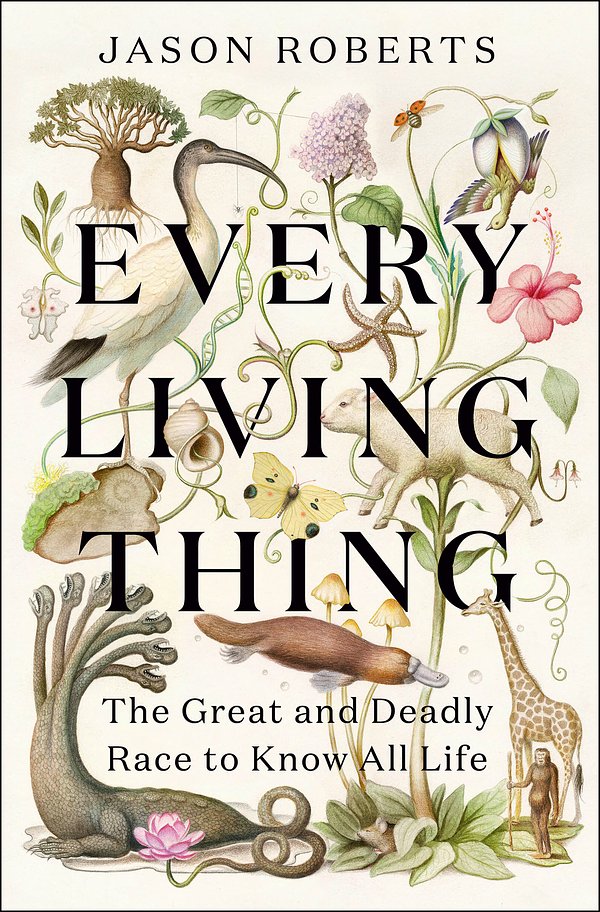 The dramatic, globe-spanning and meticulously-researched story of two scientific rivals and their race to survey all life. In the 18th century, two men dedicated their lives to the same daunting task: identifying and describing all life on Earth. Their approaches could not have been more different. Carl Linnaeus, a pious Swedish doctor with a huckster's flair, believed that life belonged in tidy, static categories. Georges-Louis de Buffon, an aristocratic polymath and keeper of France's royal garden, viewed life as a dynamic, ever-changing swirl of complexities. Both began believing their work to be difficult, but not impossible--how could the planet possibly hold more than a few thousand species? Stunned by life's diversity, both fell far short of their goal. But in the process they articulated starkly divergent views on nature, on humanity's role in shaping the fate of our planet, and on humanity itself. The rivalry between these two unique, driven individuals created reverberations that still echo today. Linnaeus, with the help of acolyte explorers he called "apostles" (only half of whom returned alive), gave the world such concepts as mammal, primate and homo sapiens--but he also denied species change and promulgated racist pseudo-science. Buffon coined the term reproduction, formulated early prototypes of evolution and genetics, and argued passionately against prejudice. It was a clash that, during their lifetimes, Buffon seemed to be winning. But their posthumous fates would take a very different turn. With elegant, propulsive prose grounded in more than a decade of research, bestselling author Jason Roberts tells an unforgettable true-life tale of intertwined lives and enduring legacies, tracing an arc of insight and discovery that extends across three centuries into the present day.
 -
-
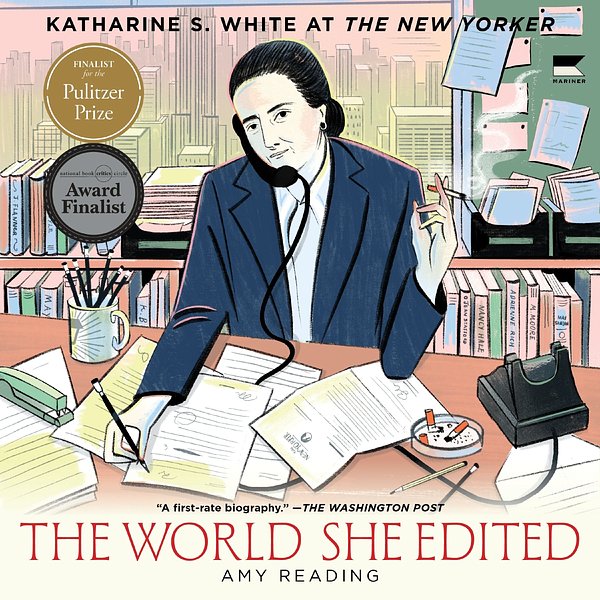 A National Book Critics Circle Finalist “The next best thing to cocktails at the Algonquin....Amy Reading has recreated a lost, gilded literary world in her smart and evocative biography of Katharine White, the longtime editor at The New Yorker who helped shape postwar American literature.” — Heather Clark, author of Red Comet: The Short Life and Blazing Art of Sylvia Plath A lively and intimate biography of trailblazing and era-defining New Yorker editor Katharine S. White, who helped build the magazine’s prestigious legacy and transform the 20th century literary landscape for women. In the summer of 1925, Katharine Sergeant Angell White walked into The New Yorker’s midtown office and left with a job as an editor. The magazine was only a few months old. Over the next thirty-six years, White would transform the publication into a literary powerhouse. This exquisite biography brings to life the remarkable relationships White fostered with her writers and how these relationships nurtured an astonishing array of literary talent. She edited a young John Updike, to whom she sent seventeen rejections before a single acceptance, as well as Vladimir Nabokov, with whom she fought incessantly, urging that he drop needlessly obscure, confusing words. White’s biggest contribution, however, was her cultivation of women writers whose careers were made at The New Yorker—Janet Flanner, Mary McCarthy, Elizabeth Bishop, Jean Stafford, Nadine Gordimer, Elizabeth Taylor, Emily Hahn, Kay Boyle, and more. She cleared their mental and financial obstacles, introduced them to each other, and helped them create now classic stories and essays. She propelled these women to great literary heights and, in the process, reinvented the role of the editor, transforming the relationship to be not just a way to improve a writer’s work but also their life. Based on years of scrupulous research, acclaimed author Amy Reading creates a rare and deeply intimate portrait of a prolific editor—through both her incredible tenure at The New Yorker, and her famous marriage to E.B. White—and reveals how she transformed our understanding of literary culture and community.
 -
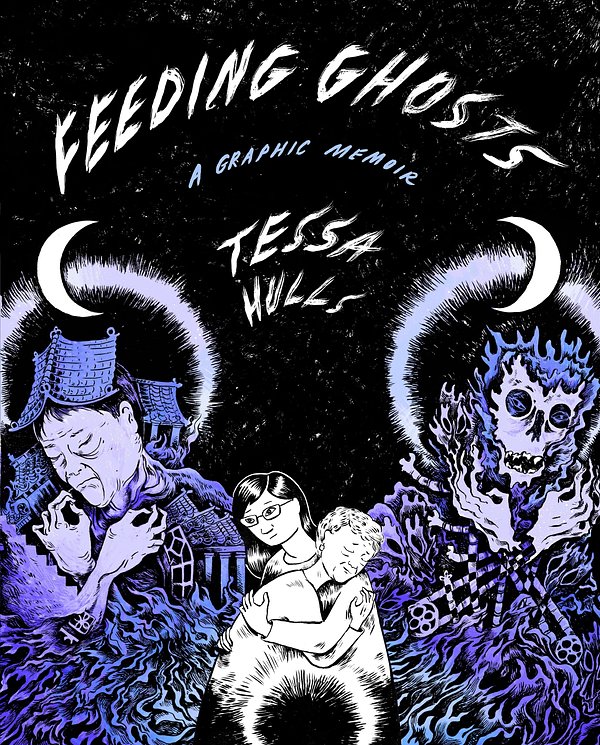 In her evocative, genre-defying graphic memoir, Tessa Hulls tells the story of three generations of women in her family: her Chinese grandmother, Sun Yi; her mother, Rose; and herself.Sun Yi was a Shanghai journalist caught in the political crosshairs of the 1949 Communist victory. After years of government harassment, she fled to Hong Kong with her daughter. Upon arrival, Sun Yi wrote a bestselling memoir about her persecution and survival, used the proceeds to put Rose in an elite boarding school—and promptly had a mental breakdown. Rose eventually came to the United States on a scholarship and brought Sun Yi to live with her.Tessa watched her mother care for Sun Yi, both of them struggling under the weight of Sun Yi's unexamined trauma and mental illness. Vowing to escape her mother’s smothering fear, Tessa left home, traveling to the farthest corners of the globe. At age thirty, it started to feel less like freedom and more like running away, so Tessa returned home to face the history that shaped her family.Extensively researched and gorgeously rendered, Feeding Ghosts is Hulls’s homecoming, a vivid journey into the beating heart of one family, set against the dark backdrop of Chinese history. By turns fascinating and heartbreaking, inventive and poignant, Feeding Ghosts exposes the fear and trauma that haunt generations, and the love that holds them together.
 -
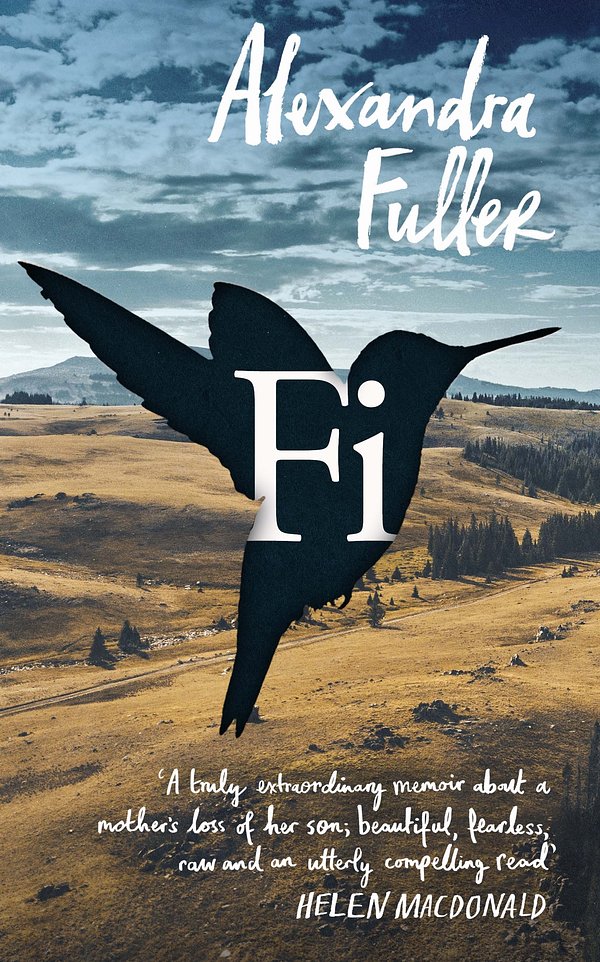 From the award-winning New York Times-bestselling author of Don't Let's Go to the Dogs Tonight, Alexandra Fuller, comes a career-defining memoir about grieving the sudden loss of her twenty-one-year-old child From the award-winning New York Times-bestselling author of Don't Let's Go to the Dogs Tonight, Alexandra Fuller, comes a career-defining memoir about grieving the sudden loss of her twenty-one-year-old child 'Truly extraordinary' HELEN MACDONALD, author of H is for Hawk It's midsummer in Wyoming and Alexandra Fuller is barely hanging on. Grieving her father and pining for her home country of Zimbabwe, reeling from a midlife breakup, freshly sober and piecing her way uncertainly through a volatile new relationship with a younger woman, Alexandra vows to get herself back on even keel. And then - suddenly and incomprehensibly - her son Fi, at twenty-one years old, dies in his sleep. No stranger to loss - young siblings, a parent, a home country - Alexandra is nonetheless levelled. At the same time, she is painfully aware that she cannot succumb and abandon her two surviving daughters as her mother before her had done. From a sheep wagon deep in the mountains of Wyoming to a grief sanctuary in New Mexico to a silent meditation retreat in Alberta, Canada, Alexandra journeys up and down the spine of the Rocky Mountains in an attempt to find how to grieve herself whole. There is no answer, and there are countless answers - in poetry, in rituals and routines, in nature and in the indigenous wisdom she absorbed as a child in Zimbabwe. By turns disarming, devastating and unexpectedly, blessedly funny, Alexandra recounts the wild medicine of painstakingly grieving a child in a culture that has no instructions for it.
 -
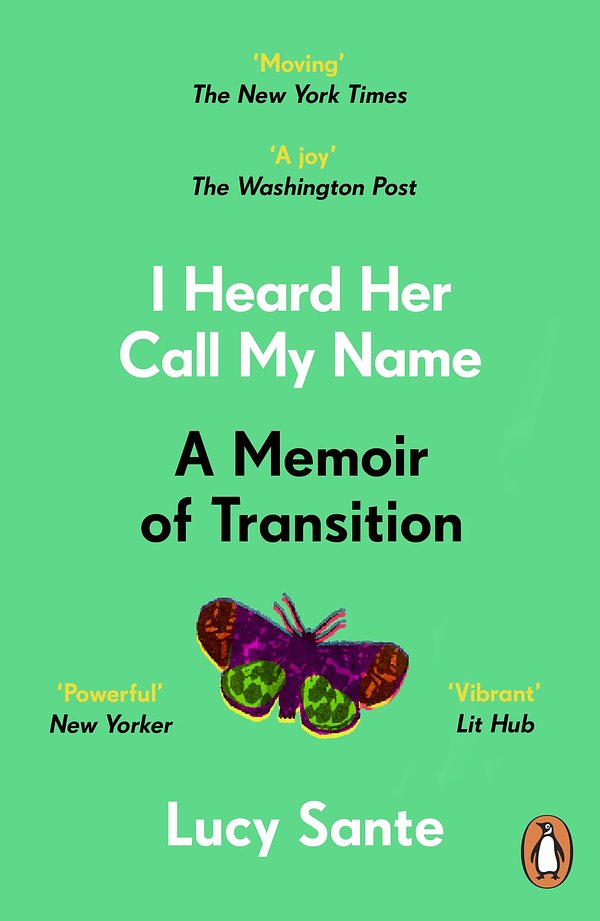 FINALIST FOR THE PULITZER PRIZE Named a Best Book of the Year by The New York Times, The Washington Post, and Slate “Reading this book is a joy . . . much to say about the trans journey and will undoubtedly become a standard for those in need of guidance. ” —The Washington Post “Sante’s bold devotion to complexity and clarity makes this an exemplary memoir. It is a clarion call to live one’s most authentic life.” —The Boston Globe “Not to be missed, I Heard Her Call My Name is a powerful example of self-reflection and a vibrant exploration of the modern dynamics of gender and identity.” —Lit Hub’s Most Anticipated Books of 2024 An iconic writer’s lapidary memoir of a life spent pursuing a dream of artistic truth while evading the truth of her own gender identity until, finally, she turned to face who she really was For a long time, Lucy Sante felt unsure of her place. Born in Belgium, the only child of conservative working-class Catholic parents who transplanted their little family to the United States, she felt at home only when she moved to New York City in the early 1970s and found her people among a band of fellow bohemians. Some would die young, from drugs and AIDS, and some would become jarringly famous. Sante flirted with both fates on her way to building an estimable career as a writer. But she still felt like her life was a performance. She was presenting a facade, even to herself. Sante’s memoir braids together two threads of personal narrative: the arc of her life, and her recent step-by-step transition to a place of inner and outer alignment. Sante brings a loving irony to her account of her unsteady first steps; there was much she found she still needed to learn about being a woman after some sixty years cloaked in a man’s identity, in a man’s world. A marvel of grace and empathy, I Heard Her Call My Name parses with great sensitivity many issues that touch our lives deeply, of gender identity and far beyond.
 -
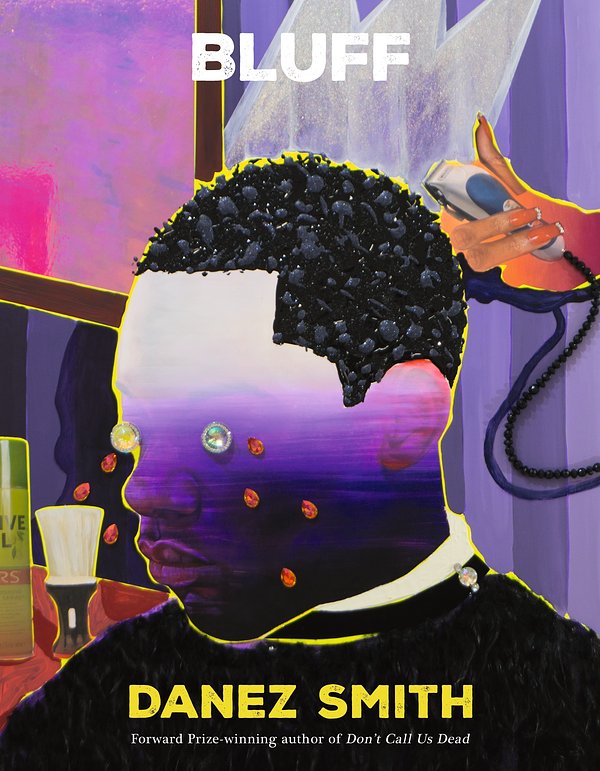 A searing new collection from the Forward prizewinning American poet with a devoted online and international following
 -
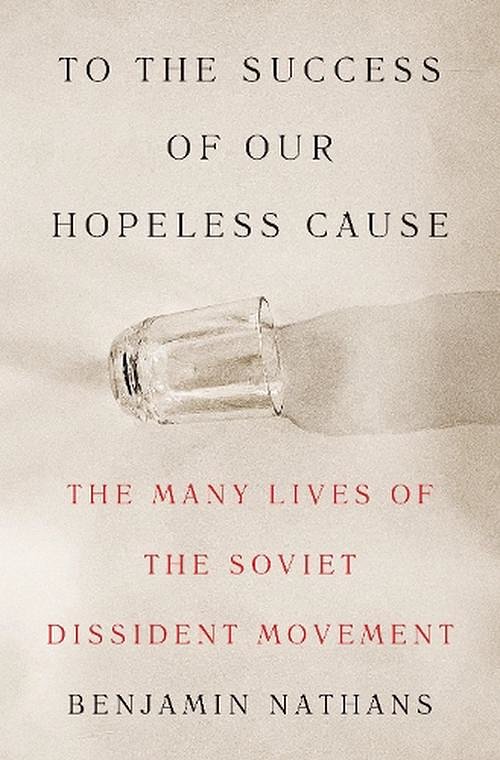
Soviet Dissent and the Politics of Human Rights
The Many Lives of the Soviet Dissident Movement
Benjamin Nathans
-
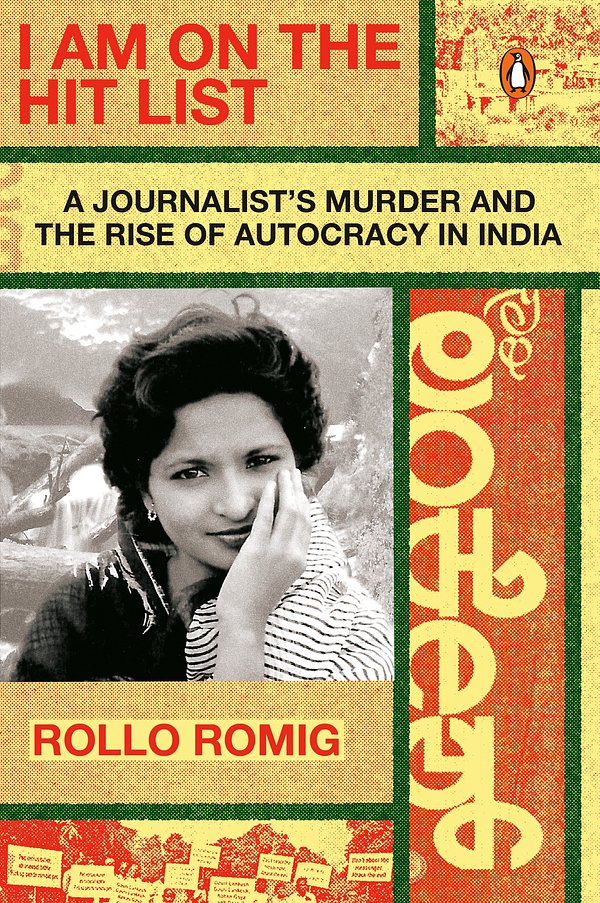 FINALIST FOR THE PULITZER PRIZE "A murder mystery, travelogue, and deeply felt homage to Romig's adopted country. Reading it will inform and outrage you. (It will also make you crave a dosa)."—Suketu Mehta, author of Maximum City “Romig makes for a powerful, effective chronicler of this bleak moment in Indian politics.”—The New York Times A gripping investigation into the mysterious assassination of a journalist in India, revealing the courage and vulnerability of those who are fighting the decline of democracy around the world When Gauri Lankesh, an outspoken journalist in the South Indian city of Bangalore, was assassinated in September 2017 outside her home, it wasn’t just a loss to her close-knit community of writers and activists—the shock reverberated nationwide, making headlines and sparking mass protests. Why was she targeted, and who was behind it? Following the case to its stunning, unsettling conclusion, Rollo Romig uncovers a world of political extremists, fearless writers, organized crime, and shadowy religious groups. I Am on the Hit List is an epic narrative that moves between a historic booksellers' district and brand-new high rises funded by IT wealth, to a secretive ashram in Goa and the kitchens of an international vegetarian restaurant chain, boldly interrogating whether we can break the cycle of polarization and bloodshed inspiring political murder across the globe.
 -

edit list
view list