-
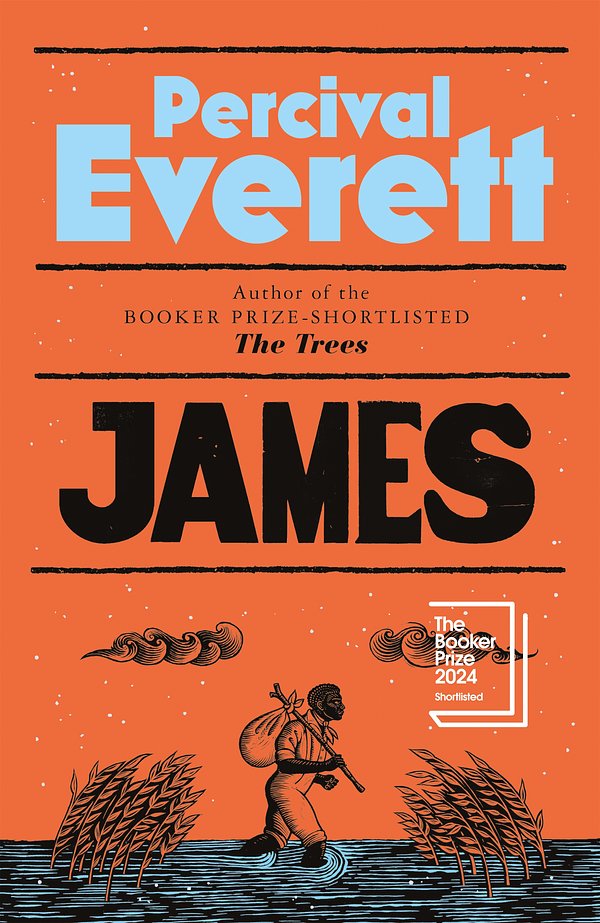 PULITZER PRIZE WINNER • #1 NEW YORK TIMES BESTSELLER • NATIONAL BOOK AWARD WINNER • A brilliant, action-packed reimagining of Adventures of Huckleberry Finn, both harrowing and darkly humorous, told from the enslaved Jim's point of view • In development as a feature film to be produced by Steven Spielberg KIRKUS PRIZE WINNER • NATIONAL BOOK CRITICS CIRCLE AWARD FINALIST • SHORTLISTED FOR THE BOOKER PRIZE • A Best Book of the Year: The New York Times Book Review, LA Times, The New Yorker, The Atlantic, The Economist, TIME, and more. "Genius"—The Atlantic • "A masterpiece that will help redefine one of the classics of American literature, while also being a major achievement on its own."—Chicago Tribune • "A provocative, enlightening literary work of art."—The Boston Globe • "Everett’s most thrilling novel, but also his most soulful."—The New York Times When Jim overhears that he is about to be sold to a man in New Orleans, separated from his wife and daughter forever, he runs away until he can formulate a plan. Meanwhile, Huck has faked his own death to escape his violent father. As all readers of American literature know, thus begins the dangerous and transcendent journey by raft down the Mississippi River toward the elusive and unreliable promise of the Free States and beyond. Brimming with the electrifying humor and lacerating observations that have made Everett a literary icon, this brilliant and tender novel radically illuminates Jim’s agency, intelligence, and compassion as never before. James is destined to be a major publishing event and a cornerstone of twenty-first century American literature.
 -
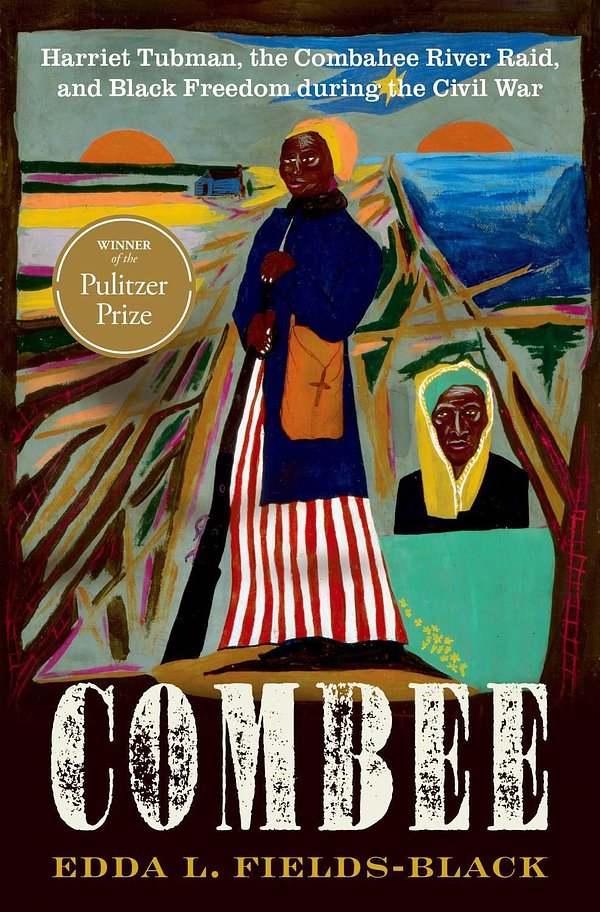
Combee
Harriet Tubman, the Combahee River Raid, and Black Freedom During the Civil War
Edda L. Fields-Black
-
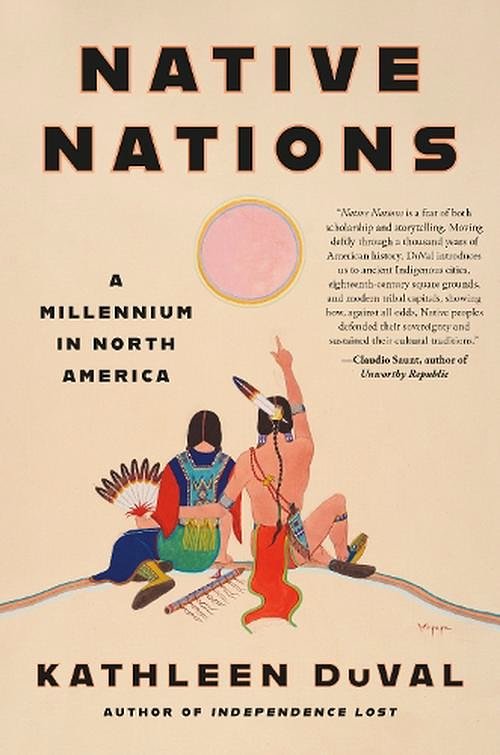 A magisterial history of Indigenous North America that places the power of Native nations at its center, telling their story from the rise of ancient cities more than a thousand years ago to fights for sovereignty that continue today “A feat of both scholarship and storytelling.”—Claudio Saunt, author of Unworthy Republic Long before the colonization of North America, Indigenous Americans built diverse civilizations and adapted to a changing world in ways that reverberated globally. And, as award-winning historian Kathleen DuVal vividly recounts, when Europeans did arrive, no civilization came to a halt because of a few wandering explorers, even when the strangers came well armed. A millennium ago, North American cities rivaled urban centers around the world in size. Then, following a period of climate change and instability, numerous smaller nations emerged, moving away from rather than toward urbanization. From this urban past, egalitarian government structures, diplomacy, and complex economies spread across North America. So, when Europeans showed up in the sixteenth century, they encountered societies they did not understand—those having developed differently from their own—and whose power they often underestimated. For centuries afterward, Indigenous people maintained an upper hand and used Europeans in pursuit of their own interests. In Native Nations, we see how Mohawks closely controlled trade with the Dutch—and influenced global markets—and how Quapaws manipulated French colonists. Power dynamics shifted after the American Revolution, but Indigenous people continued to command much of the continent’s land and resources. Shawnee brothers Tecumseh and Tenskwatawa forged new alliances and encouraged a controversial new definition of Native identity to attempt to wall off U.S. ambitions. The Cherokees created institutions to assert their sovereignty on the global stage, and the Kiowas used their power in the west to regulate the passage of white settlers across their territory. In this important addition to the growing tradition of North American history centered on Indigenous nations, Kathleen DuVal shows how the definitions of power and means of exerting it shifted over time, but the sovereignty and influence of Native peoples remained a constant—and will continue far into the future. *This audiobook includes a downloadable PDF that contains select photographs, illustrations, and maps from the book.
 -
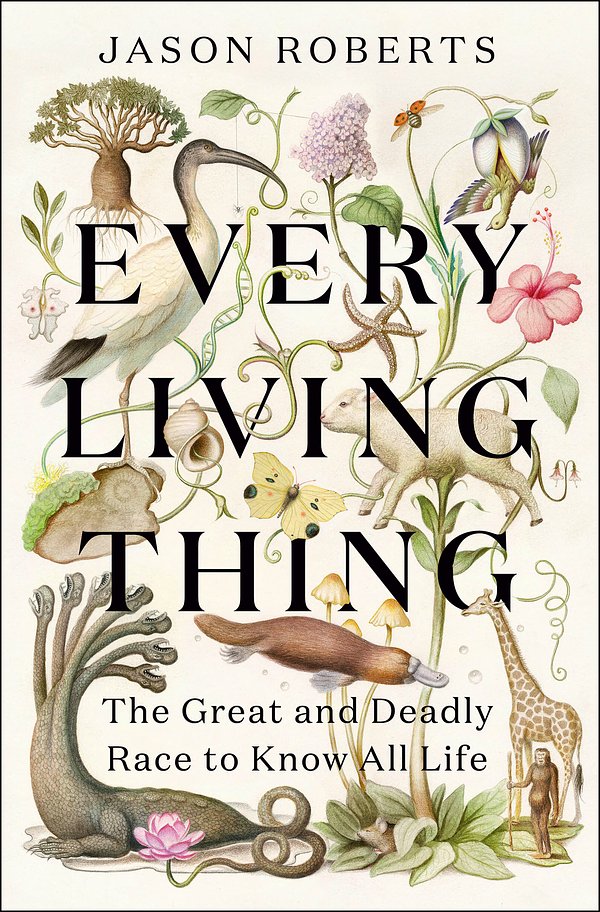 The dramatic, globe-spanning and meticulously-researched story of two scientific rivals and their race to survey all life. In the 18th century, two men dedicated their lives to the same daunting task: identifying and describing all life on Earth. Their approaches could not have been more different. Carl Linnaeus, a pious Swedish doctor with a huckster's flair, believed that life belonged in tidy, static categories. Georges-Louis de Buffon, an aristocratic polymath and keeper of France's royal garden, viewed life as a dynamic, ever-changing swirl of complexities. Both began believing their work to be difficult, but not impossible--how could the planet possibly hold more than a few thousand species? Stunned by life's diversity, both fell far short of their goal. But in the process they articulated starkly divergent views on nature, on humanity's role in shaping the fate of our planet, and on humanity itself. The rivalry between these two unique, driven individuals created reverberations that still echo today. Linnaeus, with the help of acolyte explorers he called "apostles" (only half of whom returned alive), gave the world such concepts as mammal, primate and homo sapiens--but he also denied species change and promulgated racist pseudo-science. Buffon coined the term reproduction, formulated early prototypes of evolution and genetics, and argued passionately against prejudice. It was a clash that, during their lifetimes, Buffon seemed to be winning. But their posthumous fates would take a very different turn. With elegant, propulsive prose grounded in more than a decade of research, bestselling author Jason Roberts tells an unforgettable true-life tale of intertwined lives and enduring legacies, tracing an arc of insight and discovery that extends across three centuries into the present day.
 -
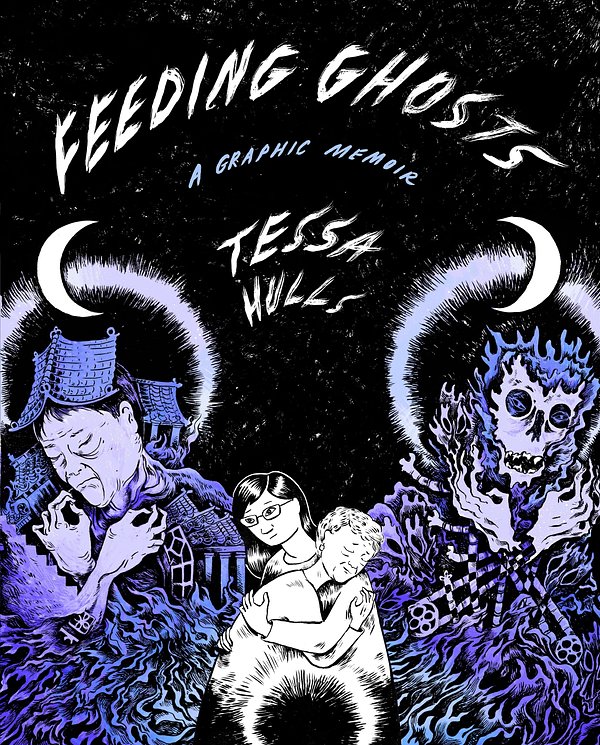 In her evocative, genre-defying graphic memoir, Tessa Hulls tells the story of three generations of women in her family: her Chinese grandmother, Sun Yi; her mother, Rose; and herself.Sun Yi was a Shanghai journalist caught in the political crosshairs of the 1949 Communist victory. After years of government harassment, she fled to Hong Kong with her daughter. Upon arrival, Sun Yi wrote a bestselling memoir about her persecution and survival, used the proceeds to put Rose in an elite boarding school—and promptly had a mental breakdown. Rose eventually came to the United States on a scholarship and brought Sun Yi to live with her.Tessa watched her mother care for Sun Yi, both of them struggling under the weight of Sun Yi's unexamined trauma and mental illness. Vowing to escape her mother’s smothering fear, Tessa left home, traveling to the farthest corners of the globe. At age thirty, it started to feel less like freedom and more like running away, so Tessa returned home to face the history that shaped her family.Extensively researched and gorgeously rendered, Feeding Ghosts is Hulls’s homecoming, a vivid journey into the beating heart of one family, set against the dark backdrop of Chinese history. By turns fascinating and heartbreaking, inventive and poignant, Feeding Ghosts exposes the fear and trauma that haunt generations, and the love that holds them together.
 -
Soviet Dissent and the Politics of Human Rights
The Many Lives of the Soviet Dissident Movement
Benjamin Nathans
edit list
view list